︎︎︎Theses & Design Studios
Summer 2027
—Visiting Professor, Alma Mater Studiorum – Università di Bologna
· Studio 3rd year
· Design Studio, NN (Master TU Graz)
Winter 2026/27 · Studio Aichfeld (Design Studio, Master TU Graz)
Summer 2026 · Studio: Work After Office (Bachelor, 3rd year)
Privatissimum: Building Typology and Design (Doctoral School)
Winter 2025/26 — Guest Professor, TU Berlin, Chair of Architectural Theory
Studio: Haus und Büro (E1, Bachelor, 2nd year)
Summer 2025 · Studio: Villa ADU Cottages (Bachelor, 3rd year)
Privatissimum: Building Typology and Design (Doctoral School)
Winter 2024/25 · Studio: Villa ADU – Accessory Dwelling Unit (Bachelor, 2nd year)
Summer 2024 — Guest Professor, Politecnico di Milano, AUID Doctoral Programme
Studio: Villa Urbaine (Bachelor, 3rd year)
Winter 2023/24 · Studio: Steinhaus, Steinhof, Steindorf — Günther Domenig‘s Steinhaus (Bachelor, 3rd year)
Summer 2023 — Guest Professor, Politecnico di Milano, AUID Doctoral Programme
Studio: Klaviatur der Vorstadt — Urban Villa (Bachelor, 3rd year)
Winter 2022/23 · Studio: Mixed-Use Multi-Form — Counterintuitive Typologies 3 (Master)
Summer 2022 · Studio: 15 Ecken, ein Haus (Bachelor, 3rd year)
Seminar: Building Typology and Design (elective, University of Innsbruck)
Winter 2021/22 · Studio: Education of an Architect — Counterintuitive Typologies 2 (Master)
Winter 2020/21 · Studio: Counterintuitive Typologies (Master)
Master’s theses (selected)
Virginia Capone: Building on the Built
Master’s thesis
TU Graz / Politecnico di Milano 2023
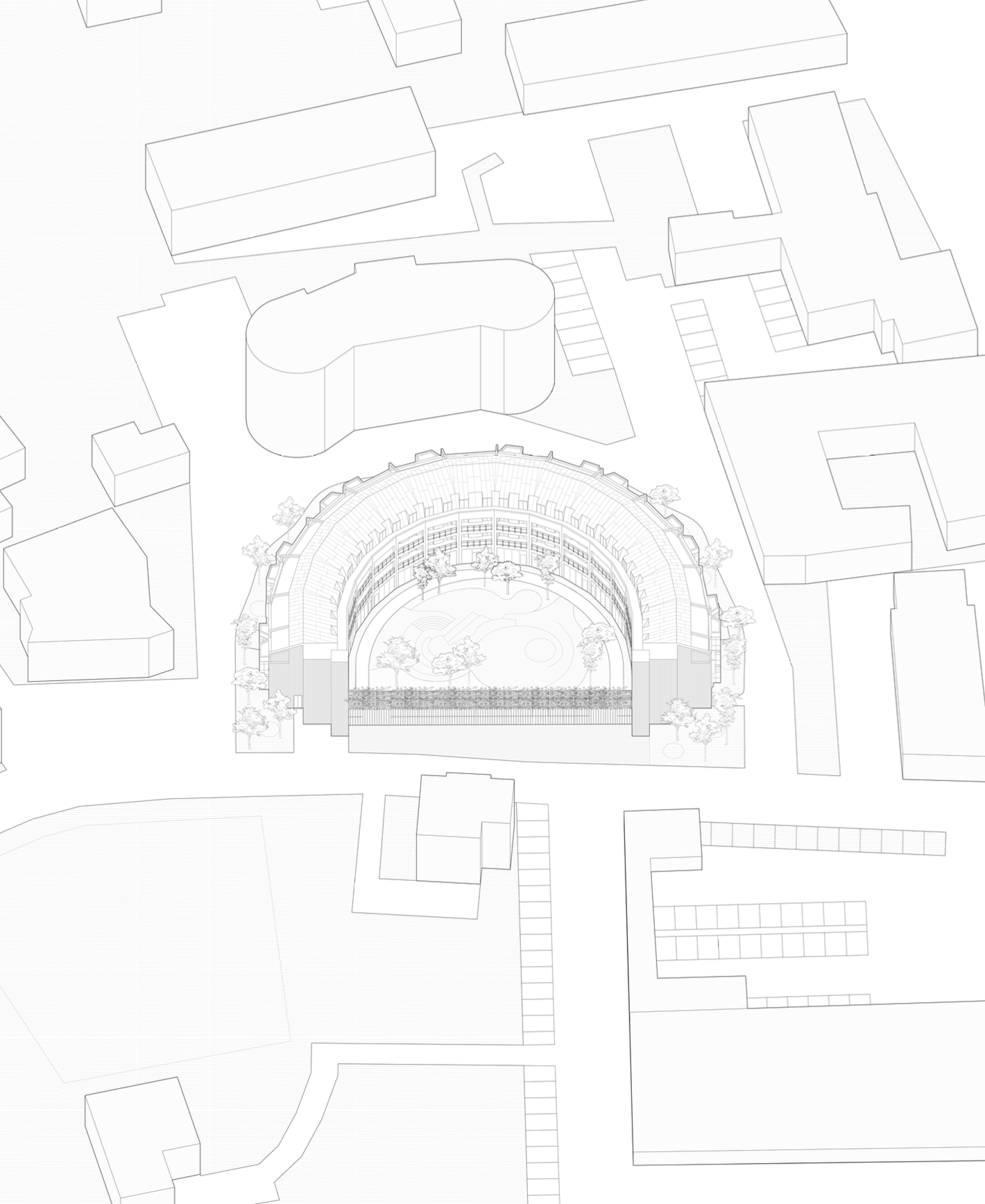
Adaptive Reuse, Typology,
Design Research,
Mixed-Use
Double Degree thesis
co-tutored with Prof. Gennaro Postiglione
Dennis Baumgartner: Simple et radical
Master’s thesisTU Graz 2023
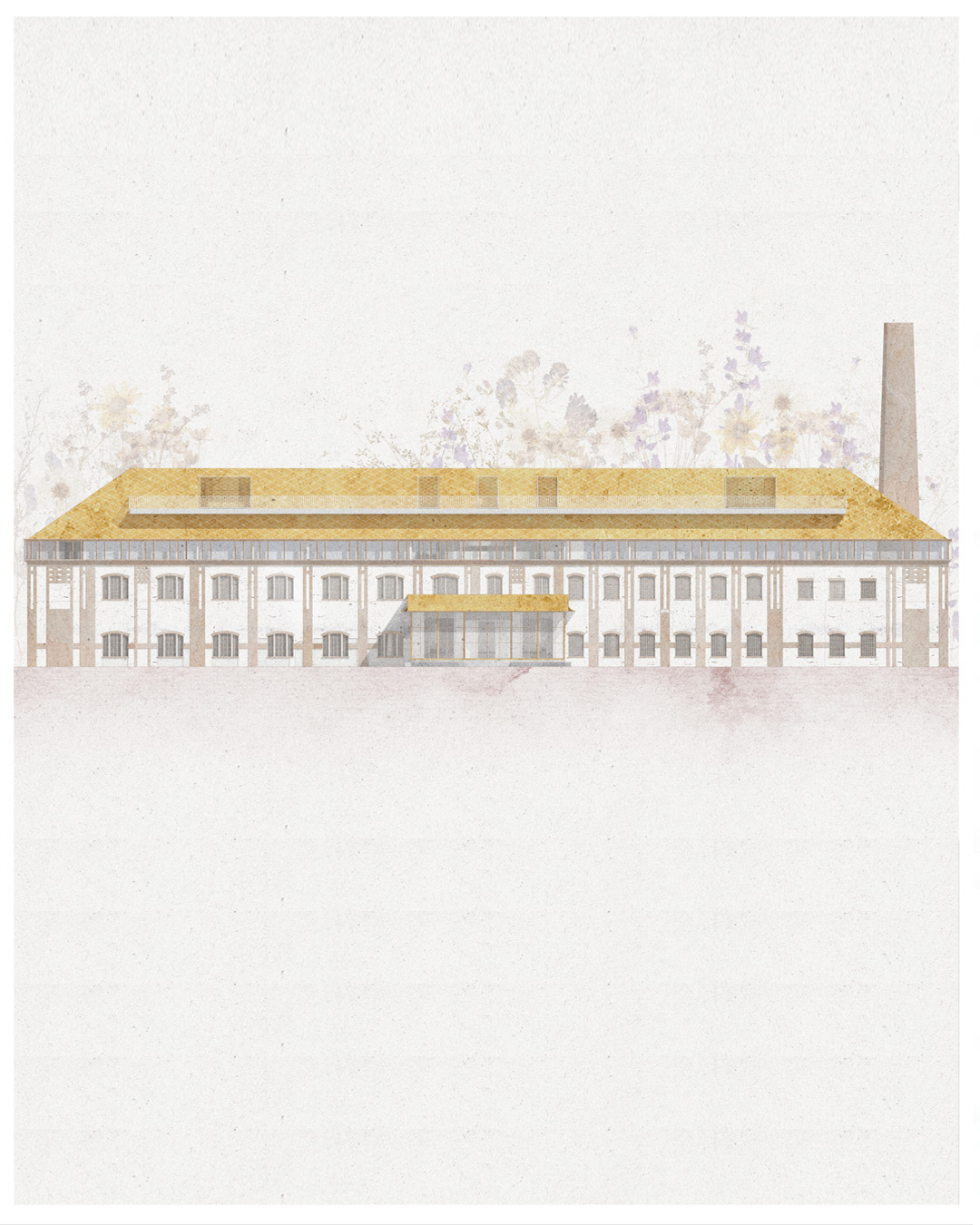
Adaptive Reuse, Typology,
Design Research,
Mixed-Use
Valentin Moser: Die Summe einzelner Teile
Master’s thesis
TU Graz 2023

Adaptive Reuse, Typology,
Design Research,
Mixed-Use, (Sub-)Urbanism
Paula Möller: (Un)Ordnung – Periphere Räume in Transformation
Master’s thesis TU Graz 2023
Adaptive Reuse, Typology,
Housing, Mixed-Use, (Sub-)Urbanism
Bernhard Ogrisek: Das Infra-Gewöhnliche – Alltagsfragmente des Grazer Umlands
Master’s thesis TU Graz 2022

Design Research,
Typology,
(Sub-)Urbanism
Michael Karnutsch: Wohn- und Freizeitpark Grenzgasse
Masterthesis TU Graz 2022
︎GAD Award 2022

Design Research,
Typology, Housing,
(Sub-)Urbanism
Zerina Dzubur: Der Spanische Platz in Mostar
Master’s thesis TU Graz 2022

Design Research, Urban Design, Urbanism
Thomas Rogl: Kongresszentrum Bad Gastein
Masterthesis TU Graz 2022

Brutalist Heritage, Renovation, Adaptive Reuse, Tourism
Matthias Johannes Holzner: Club Caracalla
Masterthesis TU Graz 2021

Hertitage Protection, Design Research, Speculation, Adaptive Reuse
Maike Gold: Grammatik einer Industrielandschaft
Master’s thesis TU Graz 2020
︎ GAD Awards 2021
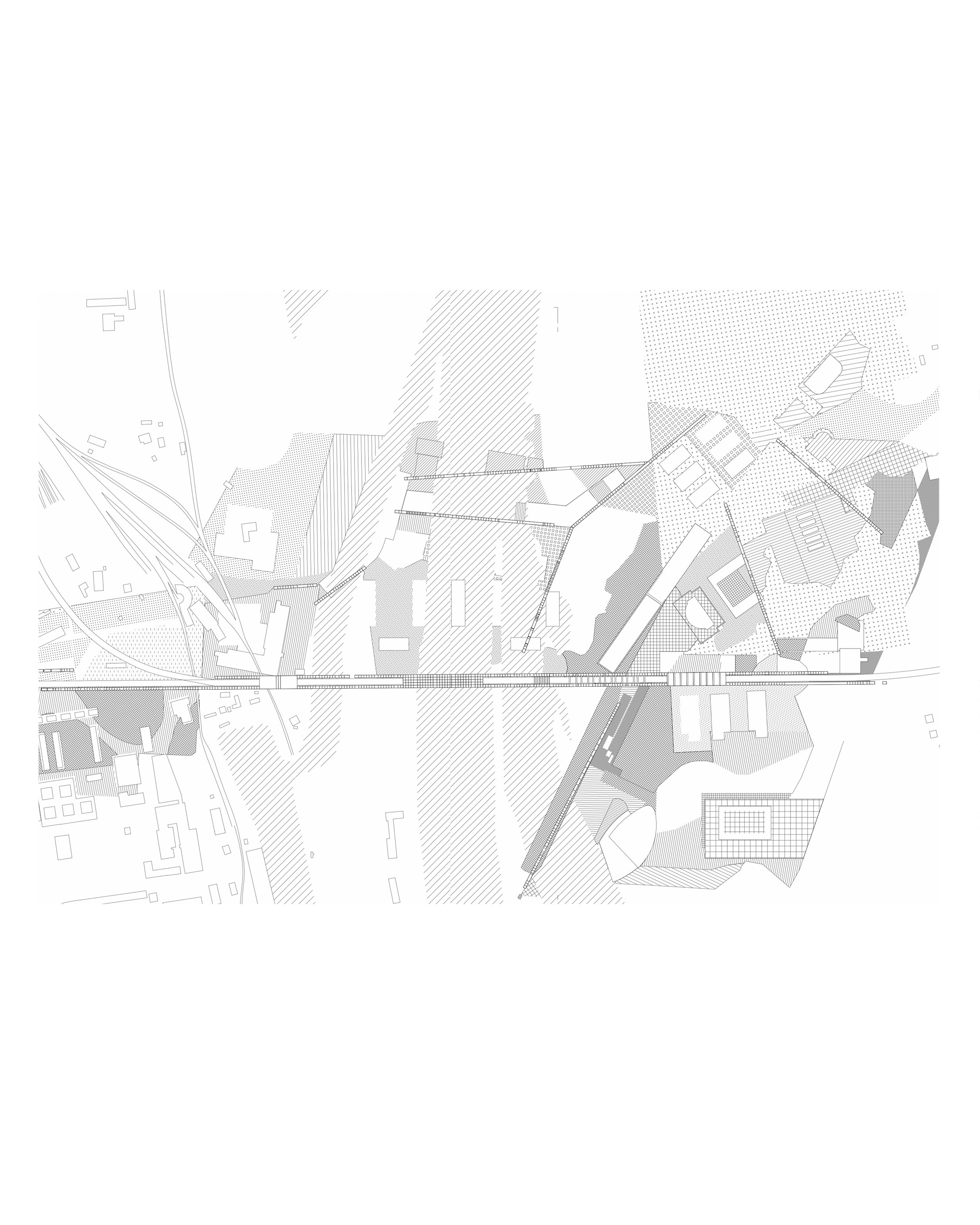
Design Research, Typology, (Sub-)Urbanism
Ajna Babahmetović: Houses at Home. Architecture of Displacement
Master’s thesis TU Graz 2020

Design Research, Typology, (Sub-)Urbanism
Markus Pöll: Stadtquartier Jakominiplatz
Master’s thesis TU Graz 2020
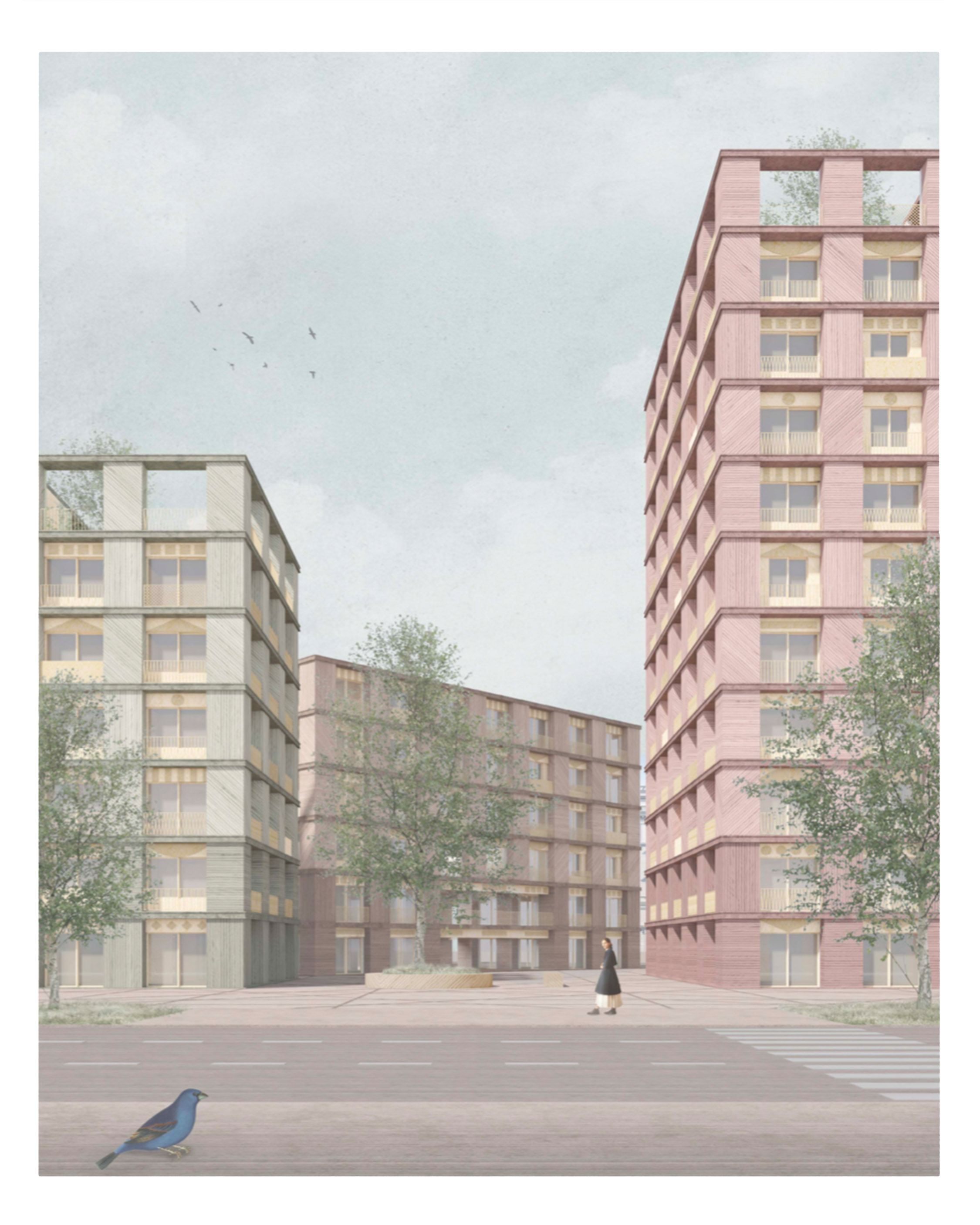
Urbanism, Typlogy, Mixed-Use
Jakob Zöbl: Palimpsest
Master’s thesis
TU Graz 2020
︎1st Prize GAD Awards 2020

Design Research, Typology, Infrastructure,
Heritage Protection
Anna Müller: Ein Hotel im Wandel
Master’s thesis
TU Graz 2020
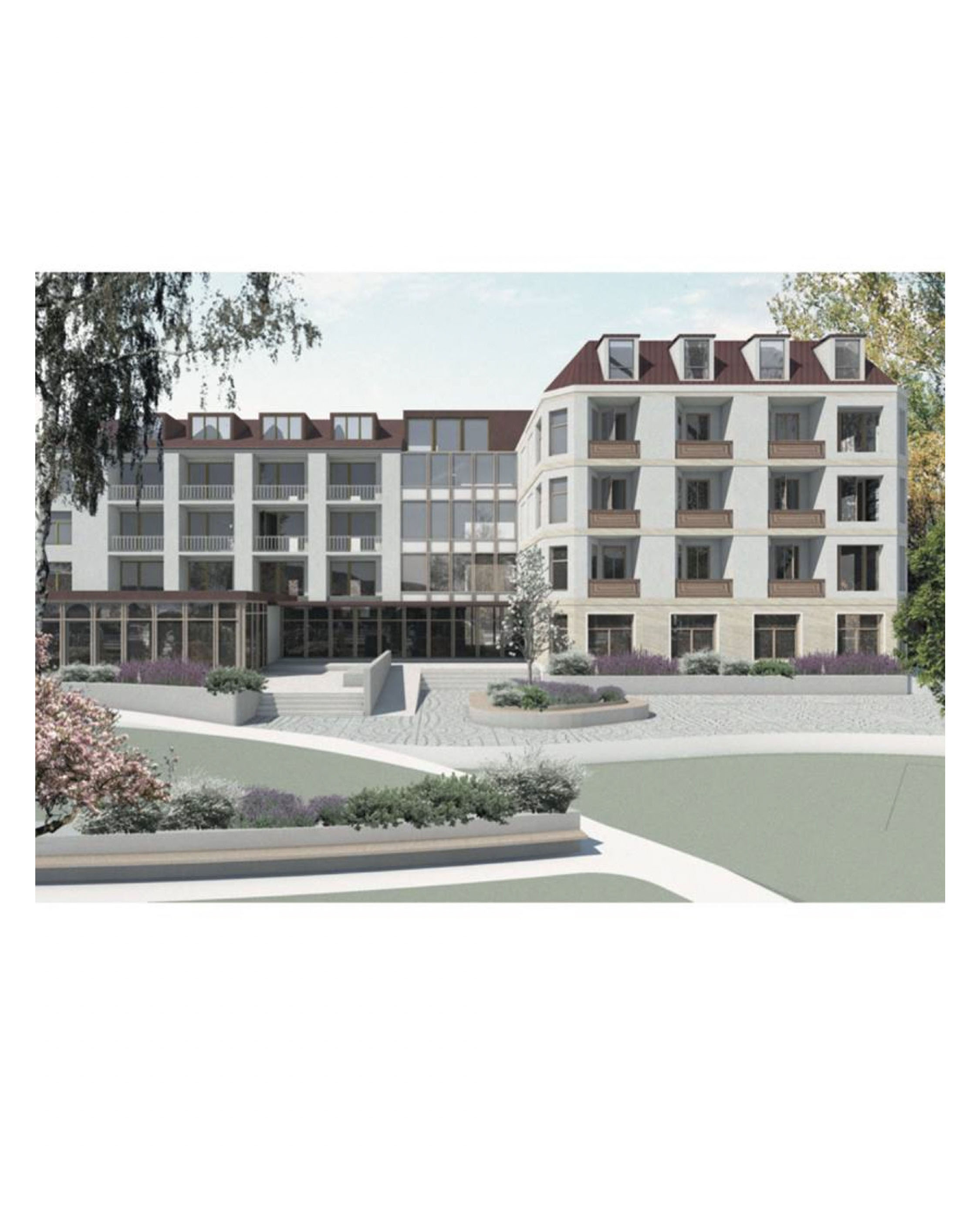
Design Research, Transformation, Adaptive Reuse, Tourism
Anna-Lena Proksch: hortus patens
Master’s thesis
TU Graz 2020
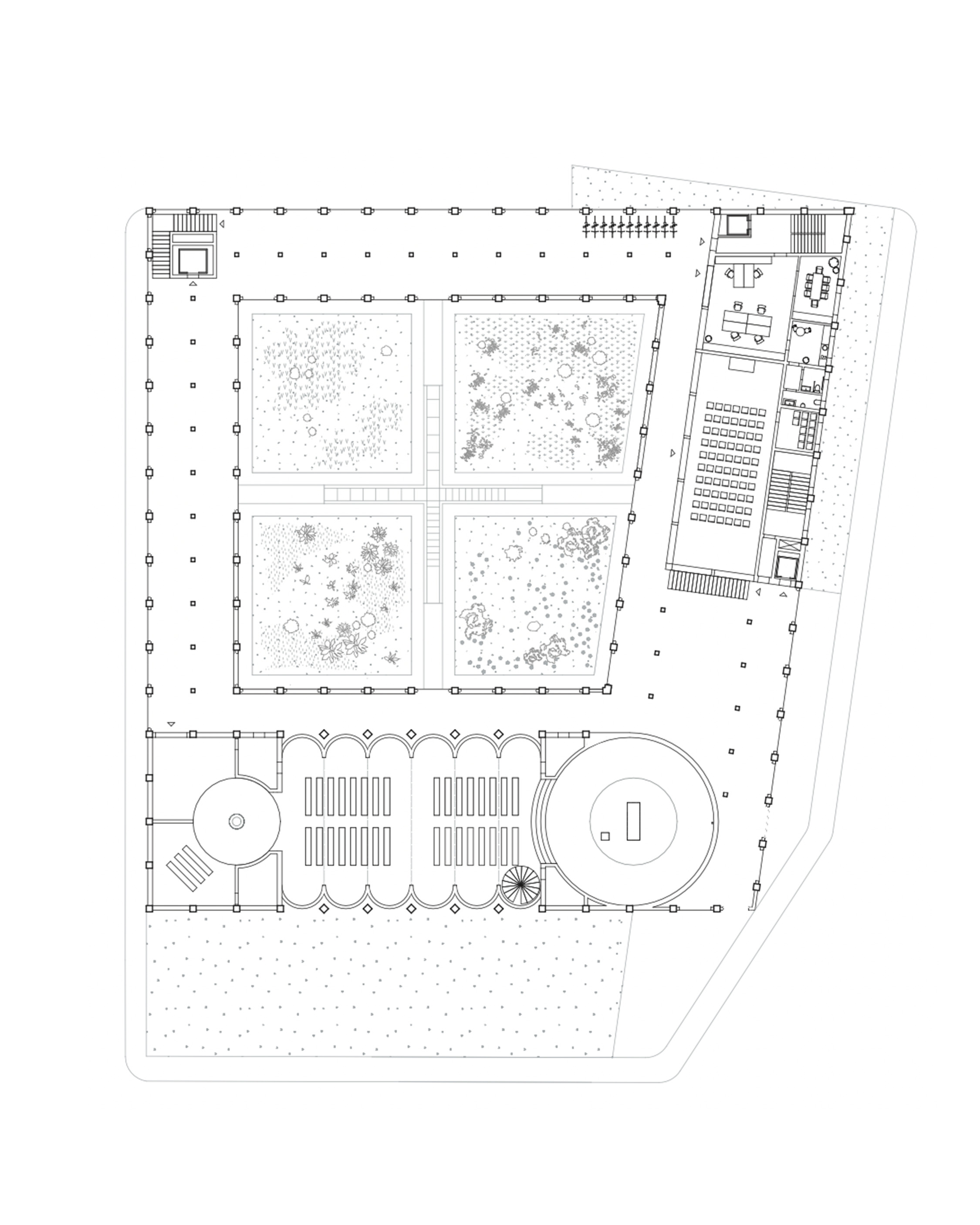
Design Research, Housing, Mixed-Use, Religion
Georg Scherrer: Forum Schiffslände
Master’s thesis TU Graz 2020

Design Research, Urban Design, Typology, Culture, Mixed-Use
Johann Quechenberger: Bauen in der Mitte - Dorfzentrum von Bad Vigaun
Master’s thesis
TU Graz 2019
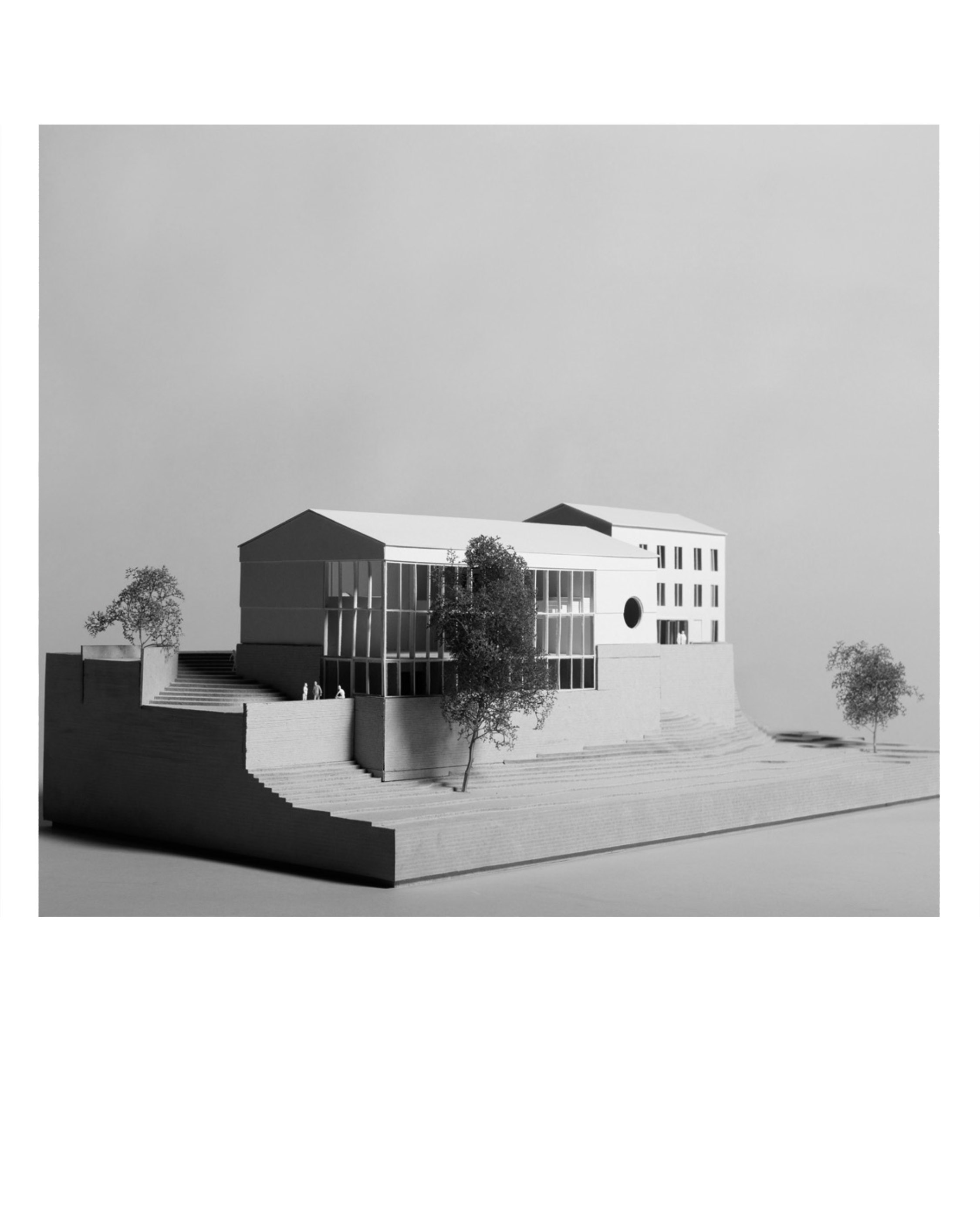
Design Research, Urban Design, Typology, Culture, Mixed-Use
Katie Filek: Stadtbibliothek - A reading of the city and a library in the park for the historic city of Graz, Austria
Master’s Thesis TU Graz / Politecnico di Milano 2019
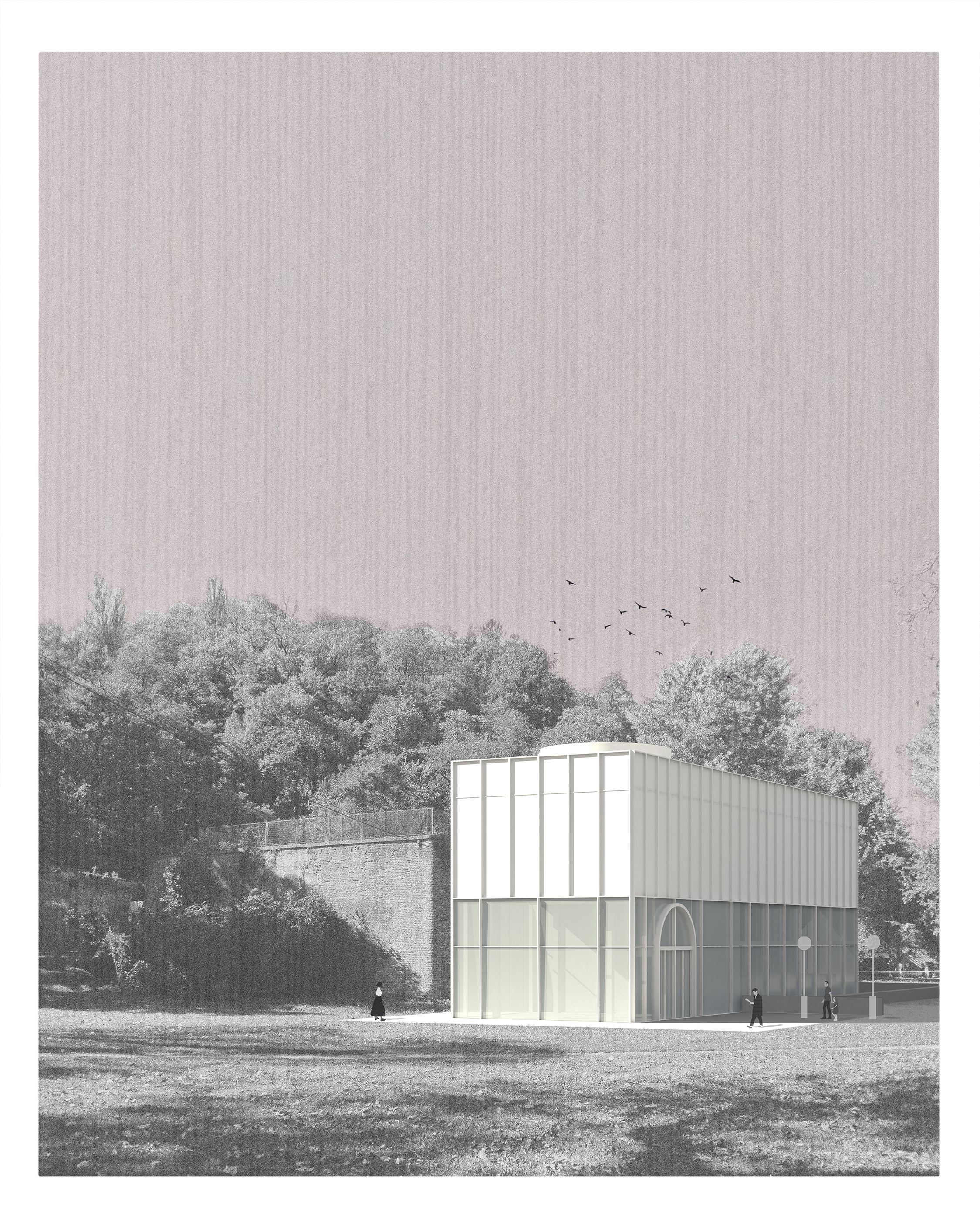
Design Research, Urban Design, Typology, Culture, Mixed-Use
Double Degree thesis co-tutored w/ Prof. Domenico Chizzoniti
Antun Jankovic: Perpetual Peace. An architectural sketch
Master’s thesis
TU Graz 2018

Design Research, Urban Design, Typology, Culture, Mixed-Use
Stefan Perperschlager: Guilt and innocence – Learning from a Biedermeier house in Braunau
Masterthesis TU Graz 2018
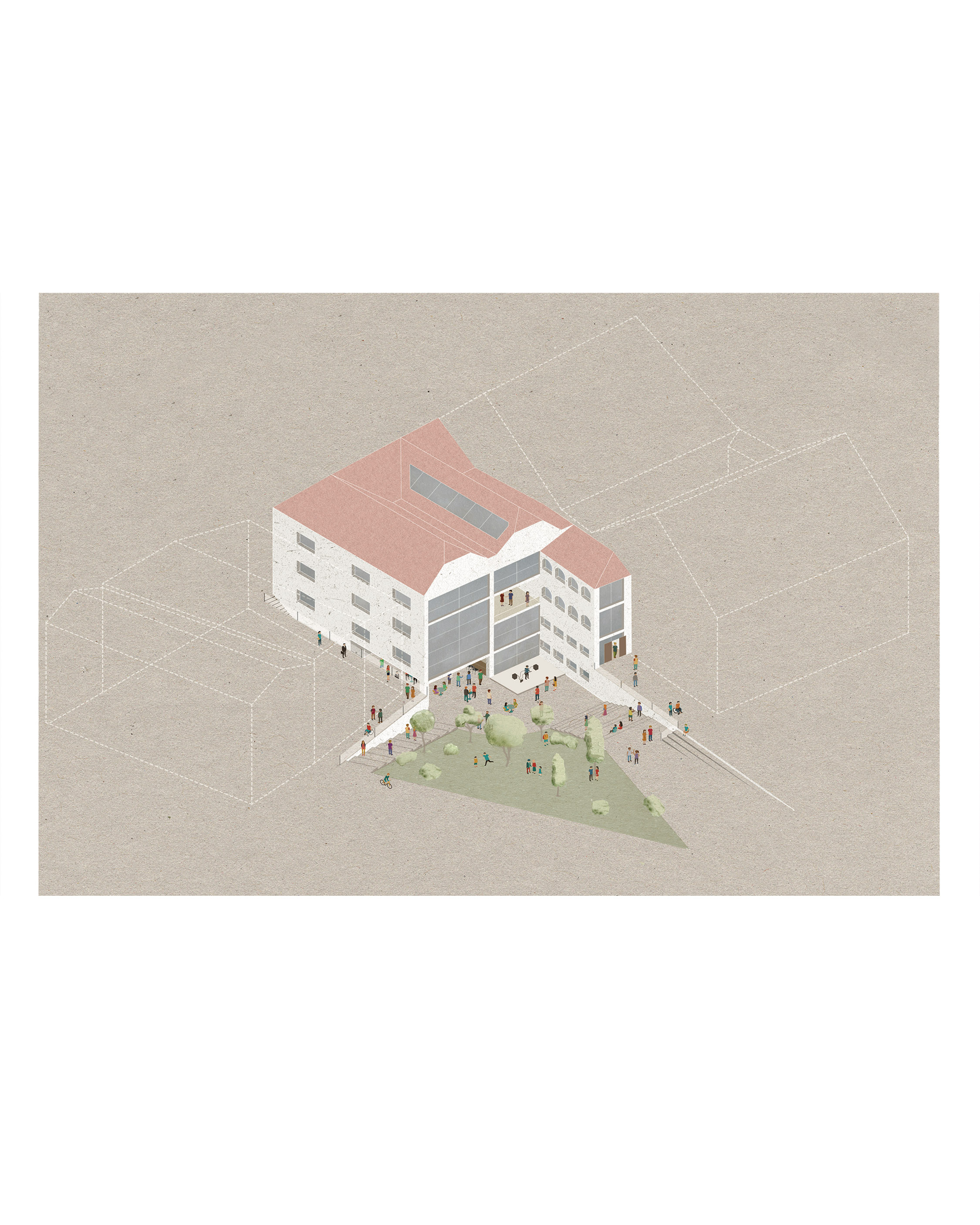
Design Research, Urban Design, Typology, Culture, Mixed-Use
Ena Kukic: Kenopsia - Sarajevo War Tunnel Museum
Masterthesis TU Graz 2017
︎1st Prize GAD Awards 18
︎Finalist Archiprix Hunter Douglas Award 2019

Design Research, Urban Design, Typology, Culture, Mixed-Use
Rebekka Hirschberg: YZ HKG. A Tale of Two Cities,
Masterthesis
TU Graz 2017
︎ Vimeo

Design Research, Narrative Architecture
Lisa Marie Hafner: Hong Kong Twin Factory. A Memory Lesson in Architecture
Masterthesis TU Graz 2017

Design Research, Mixed-Use, Urban Factory
Matthias Wild: Factory for Collective Dwelling
Masterthesis
TU Graz 2017

Adaptive Reuse, Industrial, Housing
Alexander Gebetsroither: I-710/I-105 #more than infrastructure
Master’s thesis
TU Graz 2016
︎World‘s best graduation thesis – Archiprix Hunter Douglas Award 2019
︎GAD Awards 2016

Design Research, Typology, Mixed-Use, Urbanism
Culture, Commercial, Civic, Infrastructure
Thomas Hörmann: Replikation – Model for a new municipal centrality in the suburban landscape
Diplomarbeit TU Graz 2016
︎GAD Awards 2016

Design Research, Typology, Commercial & Civic
Helena Beljan & Nikola Jankovic: Fiat Claustrum. A monastery for the Anachorets in Split, Diplomarbeit
TU Graz 2016

Design Research, Typology, Religion
Vedran Zonic: Sveucilisna Bolnica Zagreb – reconstruction, extension and conversion of a hospital ruin from 1980
Diplomarbeit
TU Graz 2016

Adaptive Reuse, Transformation, Health Care, Education
Morana Mazuran: Large form Novi Zagreb. A model for a new collectivity
Diplomarbeit TU Graz 2016

Design Research, Typology, Housing, Urbanism
Christoph W. Pirker: Analogue landscape. Approaches to the lost space of the indefinite,
Diplomarbeit
TU Graz 2015
︎1st Prize GAD Awards 2016

Design Research
Counterintuitive Typologies
TU Graz Research Group
Associate Professor
Dr. Andreas Lechner
Copyright
The information provided by the individual institutes and other facilities of Graz University of Technology as well as the other information providers is compiled independently by them, and entered into the system.
© Copyright unless otherwise indicated of Graz University of Technology, and of Andreas Lechner or the authors.
Privacy Statement · Datenschutzerklärung
For more information on privacy:
http://datenschutz.tugraz.at
Supported by cargo.site
Last update: 01/08/2026
Funded by FFG
Austrian Research Promotion Agency
![]()
![]()
TU Graz Research Group
Associate Professor
Dr. Andreas Lechner
Copyright
The information provided by the individual institutes and other facilities of Graz University of Technology as well as the other information providers is compiled independently by them, and entered into the system.
© Copyright unless otherwise indicated of Graz University of Technology, and of Andreas Lechner or the authors.
Privacy Statement · Datenschutzerklärung
For more information on privacy:
http://datenschutz.tugraz.at
Supported by cargo.site
Last update: 01/08/2026
Funded by FFG
Austrian Research Promotion Agency


Liability
The entire content of the Counterintuitive Typologies website has been compiled with the greatest care and to the best of our knowledge. However, we can assume no liability for the actuality, completeness and correctness of all the web pages. Content shall be removed immediately from the time that knowledge of a specific infringement of rights is obtained; TU Graz shall not be held liable before this time.
This website contains links to the websites of third parties; TU Graz has no influence over the content of such websites and shall therefore assume no liability for them.
The relevant information provider of the website shall be held responsible for the content and correctness of this information. When the link to the website of the third party was inserted, no infringements of rights were discernible. If TU Graz is made aware of an infringement of rights, the relevant link shall be removed immediately.
The content and works published on this website are subject to copyright. Any kind of reproduction, editing, dissemination and any kind of use beyond the limits of the copyright shall require the prior written consent of the relevant author.
The entire content of the Counterintuitive Typologies website has been compiled with the greatest care and to the best of our knowledge. However, we can assume no liability for the actuality, completeness and correctness of all the web pages. Content shall be removed immediately from the time that knowledge of a specific infringement of rights is obtained; TU Graz shall not be held liable before this time.
This website contains links to the websites of third parties; TU Graz has no influence over the content of such websites and shall therefore assume no liability for them.
The relevant information provider of the website shall be held responsible for the content and correctness of this information. When the link to the website of the third party was inserted, no infringements of rights were discernible. If TU Graz is made aware of an infringement of rights, the relevant link shall be removed immediately.
The content and works published on this website are subject to copyright. Any kind of reproduction, editing, dissemination and any kind of use beyond the limits of the copyright shall require the prior written consent of the relevant author.
When a user visits a website of TU Graz, information about his/her access (for example, the date, time, page accessed) can be stored. This does not constitute any analysis of personal data (e.g. name, address or email address). If personal data is collected, this is done so with the prior consent of the website user. Any transmission of the data to third parties shall not take place without the user’s express consent.
TU Graz states explicitly that the transmission of data on the Internet (e.g. by email) can pose security risks. Complete data protection against access by third parties cannot be guaranteed. TU Graz shall assume no liability for any damage incurred as a consequence of such security risks. The use of published contact details by third parties for the purpose of advertising is explicitly prohibited. TU Graz reserves the right to take legal action in the event that unsolicited advertising information is sent (e.g. in the form of spam emails).
Contact
︎︎︎ andreas.lechner (at) tugraz.at ︎︎︎www.AndreasLechner.at